

Matcha 101: Everything You Need to Know About Matcha
A beginner-friendly guide to matcha—what it is, how it differs from coffee and green tea, how to recognize quality matcha, and delicious ways to enjoy it.
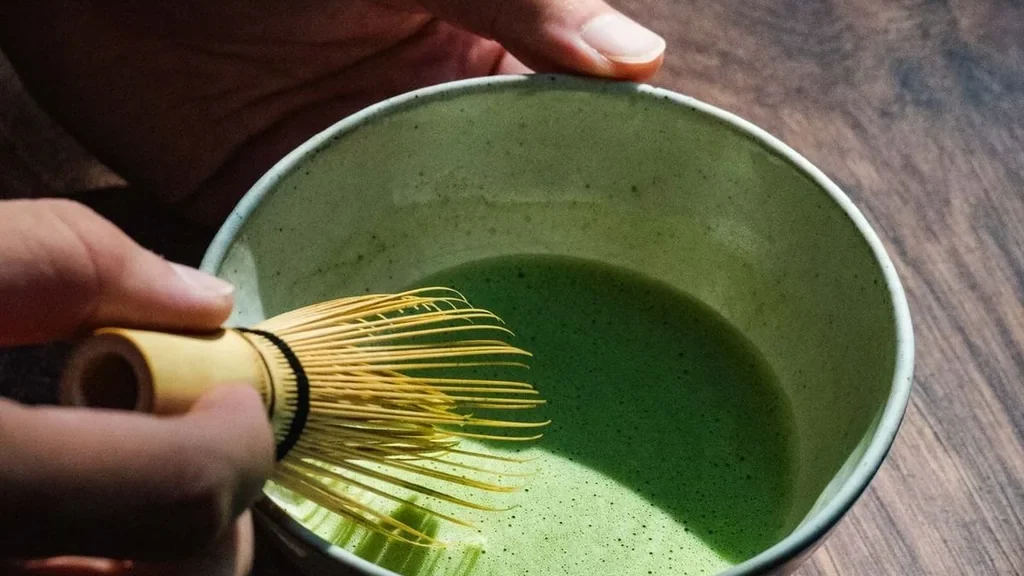
It’s bright green, it’s all over your feed, and it’s popping up in cafés across Manila. But what exactly is matcha, and why are so many people swapping their afternoon coffee for it?
Whether you’re a total beginner or already a matcha fan, here’s a simple guide to where matcha comes from, how it compares to coffee, and how to tell good matcha from not-so-good matcha.
What Is Matcha and Where Does It Come From?
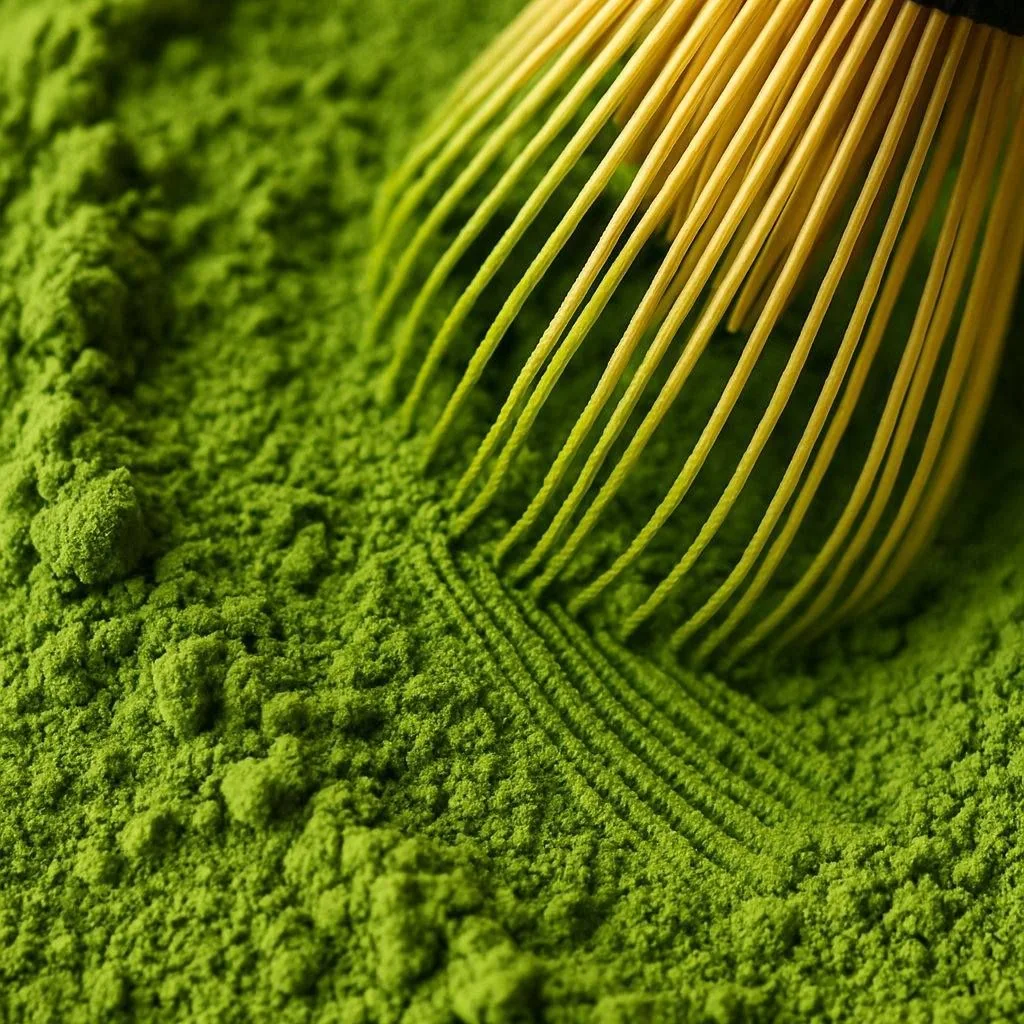
Matcha is finely ground green tea powder. It comes from the same plant as regular green tea, black tea, and oolong: Camellia sinensis. What makes matcha different is how it’s grown, processed, and enjoyed.
A tradition that started in China
Matcha is famous today for its role in the Japanese tea ceremony, but its roots go back to China. During the Song Dynasty (960–1279), it became popular to grind tea leaves into powder and whisk them with hot water into a frothy drink.
In the late 12th century, Japanese monks brought this whisked-tea tradition home from China. Over the centuries, Japanese tea masters refined how the tea was grown and prepared. This eventually became chanoyu, the Japanese tea ceremony, and the high-quality matcha we know today.
Why matcha is so green
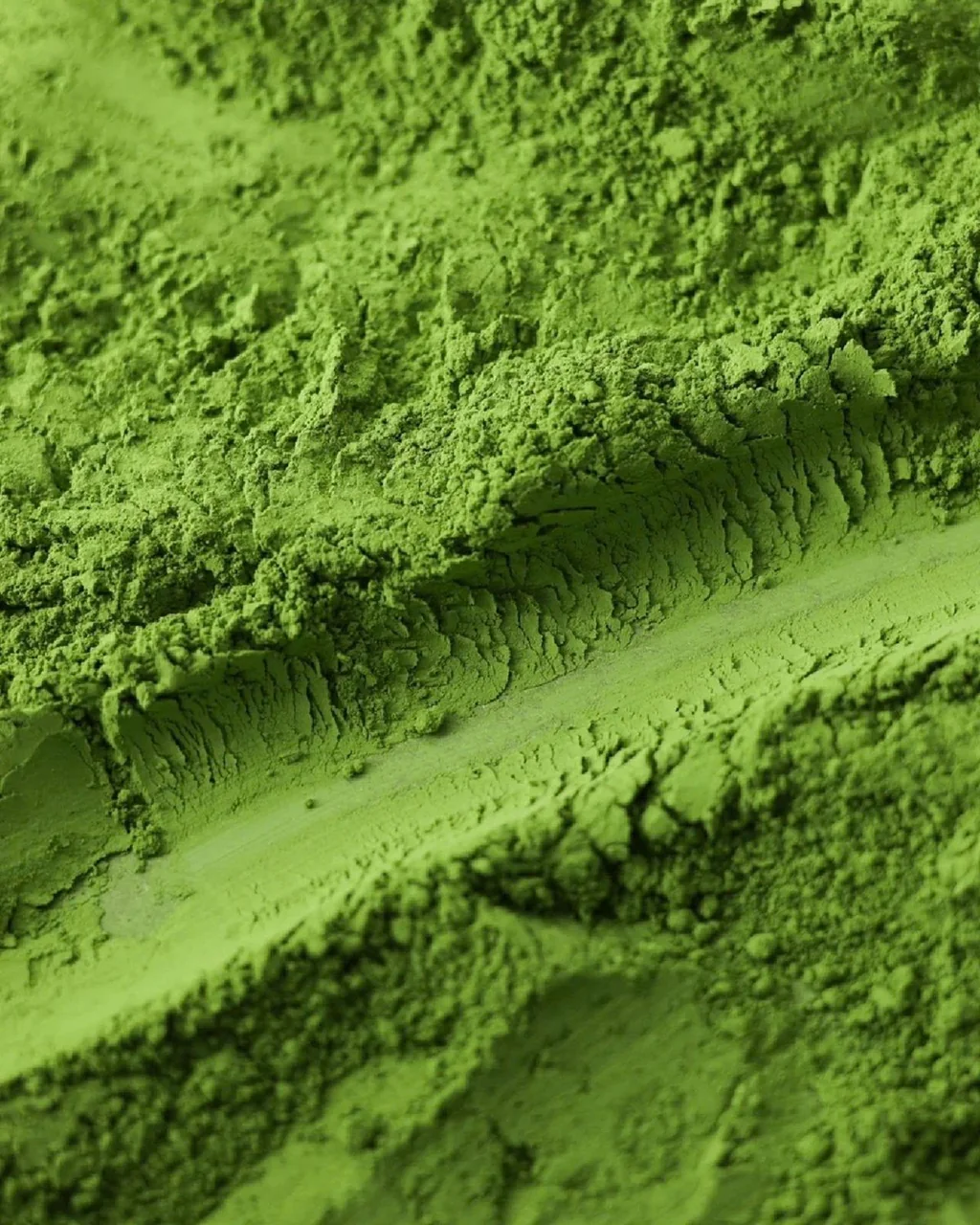
A few weeks before harvest, matcha tea bushes are covered to block out most of the sunlight. In the shade, the leaves produce more chlorophyll, which gives matcha its vivid green color. They also build up more amino acids, especially L-theanine, which gives matcha its smooth, savory taste.
After harvest, the leaves are steamed, dried, and then stone-ground into a very fine powder.
You drink the whole leaf
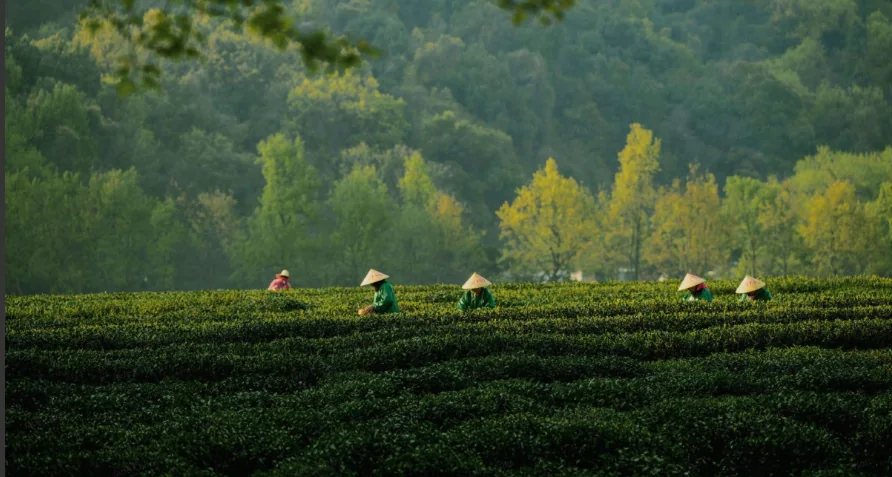
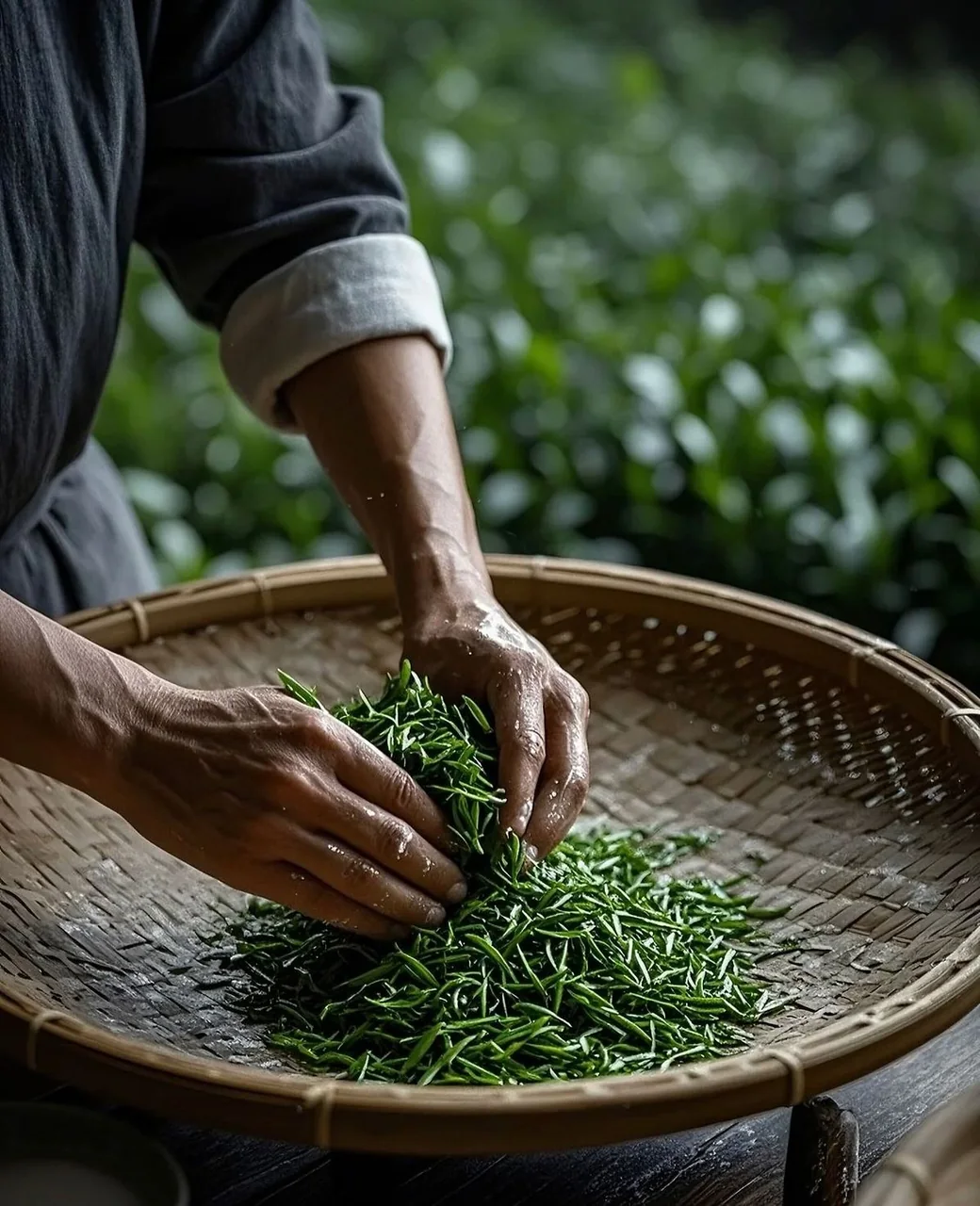
With regular green tea, you steep the leaves and throw them away. With matcha, the powdered leaf is whisked straight into water or milk, so you consume the whole leaf. That’s why matcha tastes richer and has more caffeine than a regular cup of green tea.
What’s Good About Matcha?
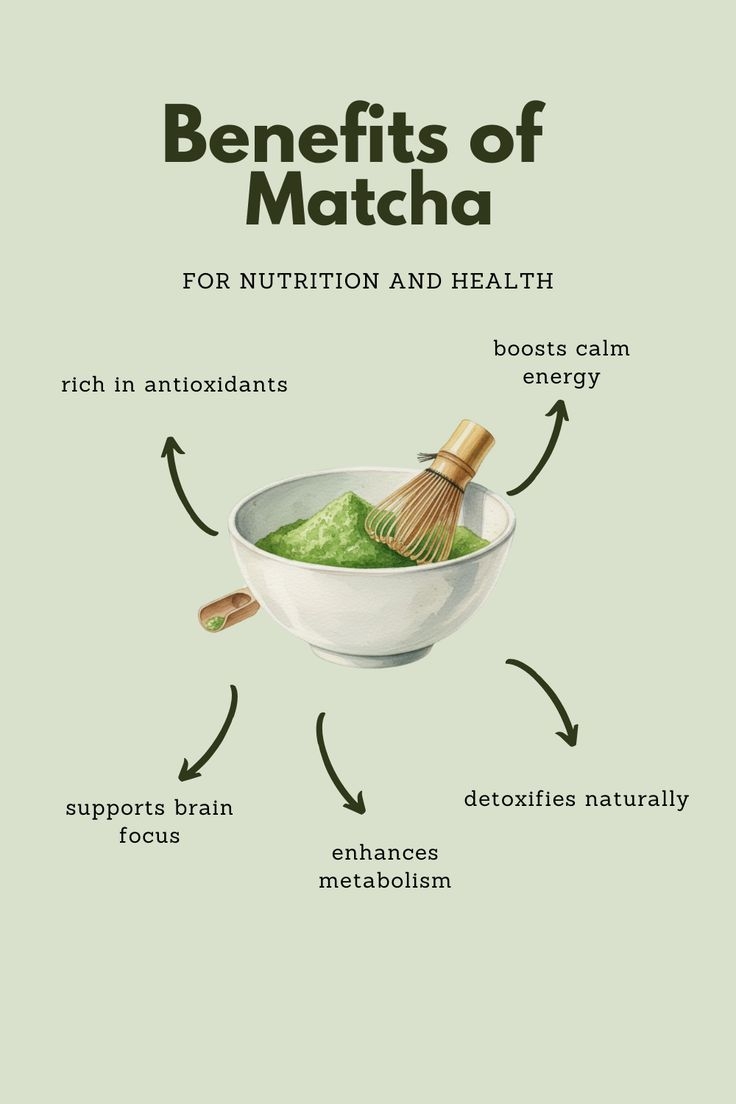
Because you drink the whole tea leaf, matcha gives you more of what’s naturally found in green tea. Researchers are still studying its effects, but here’s what we know so far.
Antioxidants
Matcha is rich in catechins, a type of antioxidant found in tea. Studies on green tea catechins have linked them to healthier blood pressure and cholesterol levels. Scientists say more research in humans is still needed.
Calm focus
Matcha contains both caffeine and L-theanine. L-theanine has been associated with better concentration and alertness. Many matcha lovers describe the feeling as “calm alertness”—awake and focused without feeling wired.
A gentler kind of energy
Many people find that matcha’s energy feels steadier and smoother than coffee’s, with less of a crash later. Everyone’s body is different, so see how it works for you.
Good to know: These benefits come from the tea itself. A matcha milk tea is a treat to enjoy, not a health drink. If you’re watching your sugar, try ordering it with less sugar.
Matcha vs Coffee vs Green Tea
Matcha sits right in the middle: more caffeine than regular green tea, but less than coffee. Here’s how the three compare, based on an 8-oz (about 240 ml) cup.
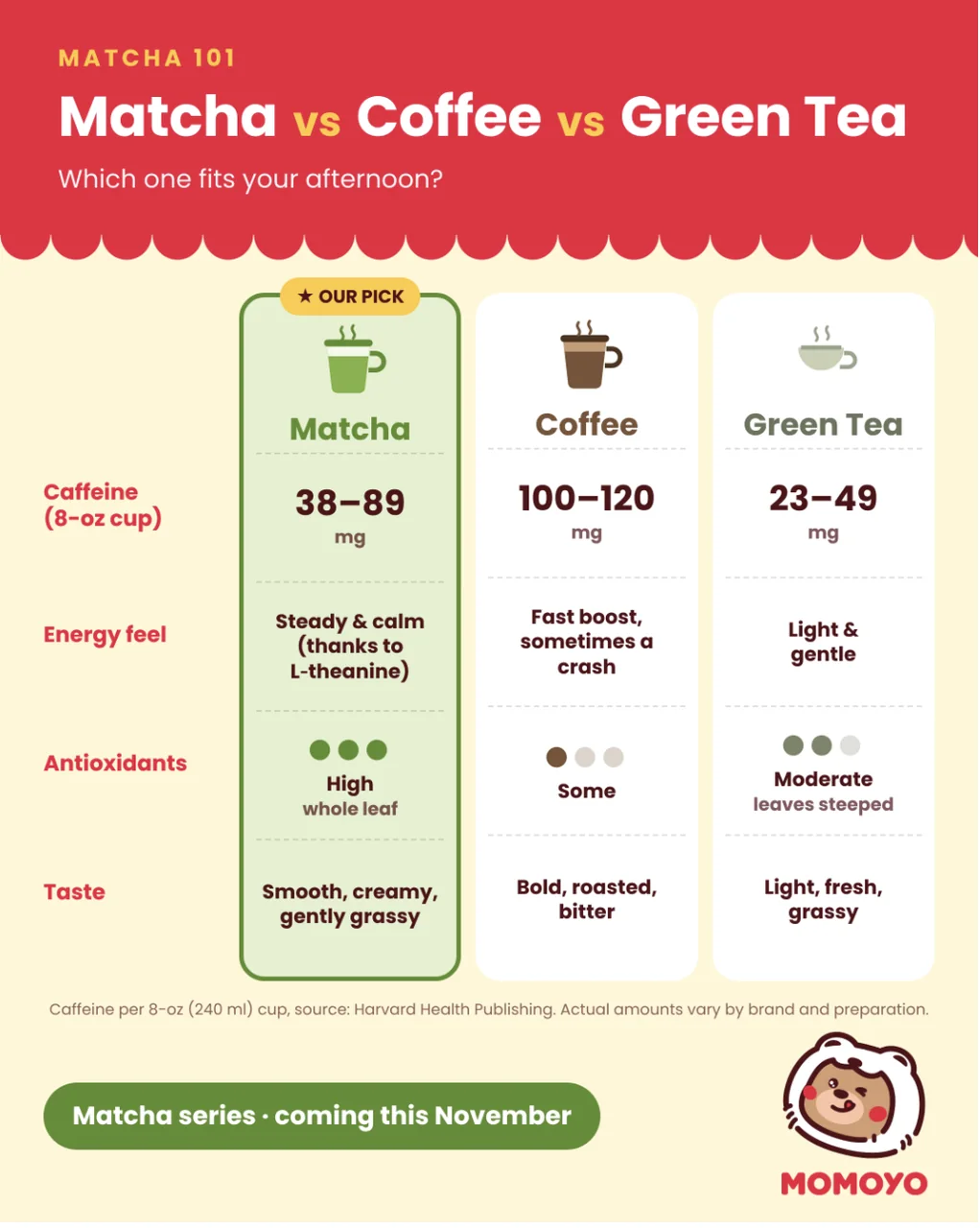
Caffeine figures: Harvard Health Publishing. Actual amounts vary by brand, serving size, and how the drink is made.
So which is better? It depends on what you need. If you want a quick, strong kick, coffee does the job. If you want energy that feels smoother—perfect for a long afternoon of classes or work—matcha is worth a try.
How to Spot Quality Matcha
Not all matcha is the same. Here are three easy things to look for:
1. Color
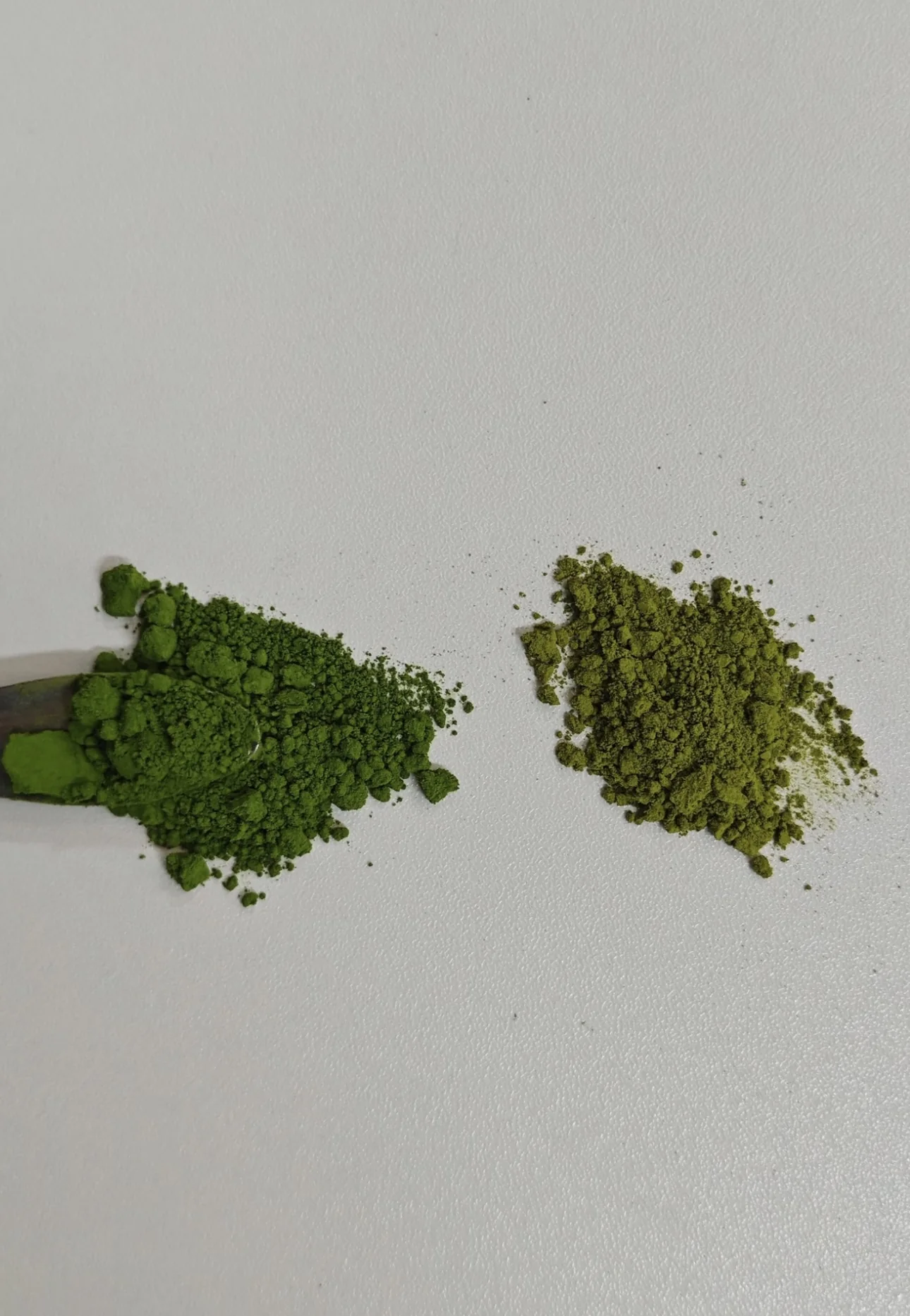
Good matcha is a bright, vivid green. A dull, olive, or yellowish color usually means lower-grade or older matcha.
2. Texture
Quality matcha is super fine and silky, almost like baby powder. If it feels gritty, it’s usually lower quality.
3. Origin
Some of Japan’s best-known matcha regions are Uji (Kyoto), Nishio (Aichi), and Shizuoka.
At MOMOYO, our matcha comes from Japan. It’s stone-milled to about 10 microns—finer than baby powder—so every sip is silky smooth.
Matcha FAQ
Does matcha milk tea have caffeine?
Yes. Matcha naturally contains caffeine, so a matcha latte or matcha milk tea will too. It’s usually less than a cup of coffee, but if you’re sensitive to caffeine, it’s best not to have it late at night.
When is the best time to drink matcha?
Mid-morning or early afternoon is perfect. That’s when a steady energy boost helps most, and it’s early enough that it won’t keep you up at night.
Can I drink matcha on an empty stomach?
Most people can. But matcha contains natural compounds called tannins, which can upset some people’s stomachs when they haven’t eaten. If you have a sensitive stomach, have a snack first.
Does matcha stain your teeth?
Like coffee and other teas, matcha can stain teeth over time. Drinking water after your matcha and brushing regularly helps.
Does matcha taste like grass?
Good matcha tastes fresh, smooth, and slightly sweet, with a gentle grassy note. In a latte, the milk makes it creamy and mellow, which is a great way to start if you’re new to matcha.
Something Green Is Coming to MOMOYO 🍵
At MOMOYO, we believe everyone deserves a delicious drink they can actually afford. Now we’re bringing that same idea to matcha.
This November, our new Matcha Series arrives at MOMOYO stores—made with matcha from Japan, stone-milled to just 10 microns for a silky-smooth sip, and created for everyday matcha moments, whether it’s your first try or your daily fix.
And just in time for the holidays, there’s a little Christmas surprise waiting for you too.
Want to be the first to know when it drops?
- Follow us on Facebook, TikTok, and Instagram for the launch announcement. - Find your nearest MOMOYO using our Store Locator. - Check out our current favorites on the Menu.
Delight in Every Bite, Joy in Every Vibe.
Sources
- Matcha: A Look at Possible Health Benefits — Harvard Health Publishing - Matcha vs Coffee: Which Is Better for Energy, Focus, and Health? — Senbird Tea - Matcha vs Coffee: Caffeine, Energy, and Which Is Better — Uji Matcha Tea - Why Matcha Is Better Than Coffee — Ooika